Key Takeaways
- Biotech stocks combine scientific innovation with substantial R&D investment in cutting edge medicine.
- Biotech sector includes companies focused on gene editing and breakthroughs in rare disease treatment.
- Biotech stocks are higher risk, but with higher potential for reward for companies that succeed.
The biotech sector continues to draw intense investor interest — from innovation in gene editing and mRNA to breakthroughs in rare disease therapies. But with high risk comes high reward, and separating long-term winners from speculative bets is more important than ever.
Are Biotech Stocks a Good Investment Long-Term?
Biotech companies can deliver extraordinary upside when their clinical programs succeed — but the path is fraught. Long-term investing in biotech often hinges on believing in a company’s pipeline, cash runway and capacity to navigate regulatory hurdles. Many top biotechs have matured past early-stage risk, with commercial revenues and established R&D engines, making them more resilient in volatile markets.
Meanwhile, broader trends like aging populations, precision medicine, and platform technologies (like gene therapy and mRNA) bolster the long-term case. However, interest rate swings, clinical failures and capital burn remain real threats. For investors with sufficient time horizon and risk tolerance, biotechs offer a compelling opportunity.
Here, we analyze and rank the best biotech stocks to buy now ranked on a blend Zacks Rank signals, Style Scores and fundamentals:
Methodology
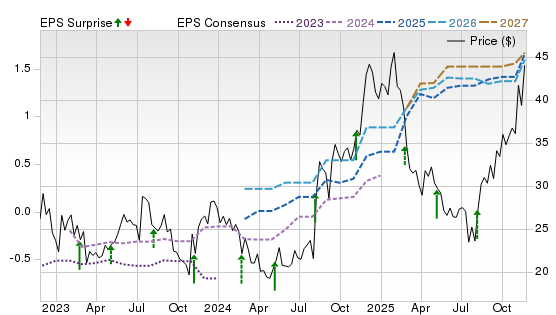
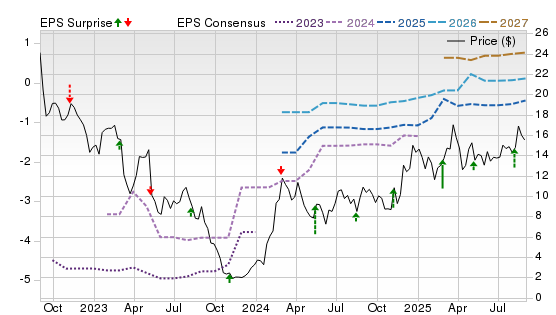
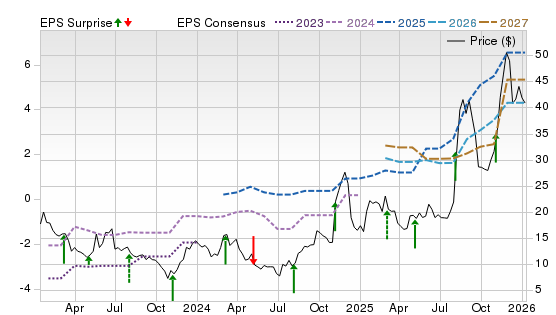
The Zacks Rank is a proprietary stock-rating model that uses trends in earnings estimate revisions and earnings-per-share (EPS) surprises to classify stocks into five groups: #1 (Strong Buy), #2 (Buy), #3 (Hold), #4 (Sell) and #5 (Strong Sell). The Zacks Rank is calculated through four primary factors related to earnings estimates: analysts' consensus on earnings estimate revisions, the magnitude of revision change, the upside potential and estimate surprise (or the degree in which earnings per share deviated from the previous quarter).
Zacks builds the data from 3,000 analysts at over 150 different brokerage firms. The average yearly gain for Zacks Rank #1 (Strong Buy) stocks is +23.80% per year from January, 1988, through Aug 3, 2026.
Selections for Best Biotech Stocks are based on the current top ranking stocks based on Zacks Indicator Score, Style Scores and fundamentals. For this list, only companies that have average daily trading volumes of 100,000 shares or more of 135 biotech companies listed on the New York Stock Exchange or Nasdaq. All information is current as of market open, Aug 27, 2026.
General Biotech Investment Questions
What Are Biotech Stocks?
Biotech stocks are shares of companies that use biological systems and organisms to develop new drugs, therapies, and diagnostics. These firms invest heavily in research & development and often carry greater risk than traditional pharmaceutical companies.
Types of Biotech Stocks
- Platform biotechs: Focus on enabling technologies (e.g., mRNA, gene editing, synthetic biology).
- Therapeutic biotechs: Develop specific drug candidates (e.g., rare disease, oncology).
- Service biotechs: Provide research tools, reagents, or contract research services.
What Are the Benefits of Buying Biotech Stocks?
- High upside: Successful trials or approvals can lead to big gains.
- Innovative exposure: Access to cutting-edge science (e.g., gene therapy).
- Diversification: Biotech can be a non-cyclical growth lever in a portfolio.
- Partnering potential: Smaller biotech firms are often acquired by larger pharma.
What Are the Risks of Buying Biotech Stocks?
- Clinical risk: Many drugs fail in trials
- Cash burn: R&D is expensive, and many biotechs depend on funding.
- Regulatory risk: FDA decisions can make or break a company.
- Volatility: Stock prices swing wildly on news.
Biotech Stocks vs. Biotech ETFs
- Stocks: Higher potential reward, but higher risk and volatility
- ETFs: Diversified exposure, smoother ride, less binary outcomes
Which is right depends on your risk tolerance and conviction in individual companies.
Why Are Biotech Stocks So Volatile?
- Clinical trial outcomes are binary (success/failure).
- Regulatory approvals depend on strict criteria.
- Biotechs often raise capital, diluting shareholders.
- News-driven: trial results, partnership deals, or FDA news can swing sentiment.
Is It Too Late to Invest in Biotech Stocks?
Not necessarily. While some biotechs (especially large-caps) may look fully valued, many smaller, clinical-stage companies still offer asymmetric upside. Plus, emerging trends — gene editing, synthetic biology, AI-driven drug discovery — continue to open new frontiers.
Best Biotech ETFs
Not all investors want to take on the risk of single biotechs. Below are some top ETFs that offer diversified exposure:
- iShares Biotechnology ETF (IBB): Focuses on large-cap biotech names, offering lower volatility compared to smaller biotechs.
- SPDR S&P Biotech ETF (XBI): Equal-weighted, which means more exposure to mid- and small-cap biotech companies — higher risk, potentially higher reward.
- VanEck Biotech ETF (BBH): Concentrated in major pure-play biotech names.
These ETFs help mitigate the binary risk inherent in individual biotech names by spreading exposure across many companies.
Biotech Stocks Trends and Forecast
What Biotech Stocks Could Benefit from New FDA Approvals?
- Sarepta (SRPT): Pipeline in DMD and other neuromuscular disorders.
- Beam (BEAM): Base-editing therapies could attract regulatory attention as clinical data matures.
- Arcellx: Its CAR-T programs (e.g., anito-cel) could hit registrational milestones soon.
Which Biotech Firms Are Leading in Gene Editing or mRNA?
- Beam Therapeutics: Base editing platform.
- CRISPR Therapeutics / Vertex: CRISPR-based therapies.
- Moderna: mRNA-based vaccines and therapies.
What Are the Most Promising Biotech Trends for 2025/2026?
- Base editing and next-gen CRISPR.
- Synthetic biology for therapeutics.
- Precision medicine for rare diseases.
- AI-driven drug discovery.
- Cell and gene therapies for “undruggable” conditions.
How Does Interest Rate Policy Affect Biotech Valuations?
Higher interest rates make future cash flows less valuable, which disproportionately affects pre-commercial biotech companies. Biotechs with strong cash reserves, recurring revenues, or partnerships may weather a high-rate environment better than early-stage names.
What Startups Could Be the Next Big Biotech Breakout?
Some emerging companies to watch include those in base editing (like Beam) or synthetic biology (like Twist Bioscience). Also, small gene therapy firms that prove safety and efficacy could be acquisition targets.
How to Select Biotech Stocks
How to Evaluate a Biotech Company’s Pipeline
- Examine clinical trial phases and data (Phase 1–3).
- Check regulatory designations (Orphan, Fast Track, Breakthrough).
- Assess manufacturing strategy (can they scale?)
- Review partnerships with big pharma.
What Financial Metrics Should I Look at When Selecting Biotech Stocks?
- Cash runway — Months until they need to raise capital.
- Burn rate — How fast they spend R&D cash?
- Debt levels — To help understand leverage risk.
- Revenue sources — If any (e.g., royalties, partnerships).
- Valuation multiples — P/E for commercial companies, or price-to-cash for R&D firms.
Which Biotech Companies Are Using AI for Drug Discovery?
Several biotech firms now leverage AI to speed up target identification, optimize molecules, and predict clinical success. While specific names vary, more platform-focused biotechs (especially in synthetic biology and precision medicine) are adopting AI broadly.
Advanced or Thematic Biotech Investing
Best Gene Therapy, Immunotherapy, or Synthetic Biology Stocks
- Gene Therapy: Beam (base editing), Sarepta (DMD)
- Immunotherapy/CAR-T: Arcellx (anito-cel).
- Synthetic Biology: Twist Bioscience (DNA synthesis).
Top AI-Driven Biotech Companies to Watch
Companies combining AI with biology to accelerate drug development are particularly exciting. Though many remain private, public players using AI in drug discovery or platform development may include synthetic biology firms and next-gen therapeutic companies.
Small-Cap vs. Large-Cap Biotech Investing Strategies
- Small-Cap: Higher risk/reward; ideal for speculative, event-driven plays.
- Large-Cap: More stability, some revenue streams, diversified pipelines.
- Balanced Approach: Use ETFs for broad exposure + pick 1–2 individual names for high conviction.
How FDA Approval Cycles Impact Biotech Valuations
Each clinical milestone (Phase 2 readout, Phase 3 initiation, NDA/BLA filing) can trigger major revaluations. Investors often build models around key FDA dates, trial data, and partner commitments. Failure or delay can lead to steep losses; success can lead to multi-bagger returns.
Read more: Check out today’s list of Best Stocks to Buy Now.




 View the Zacks #1 Rank List


 Strong Buy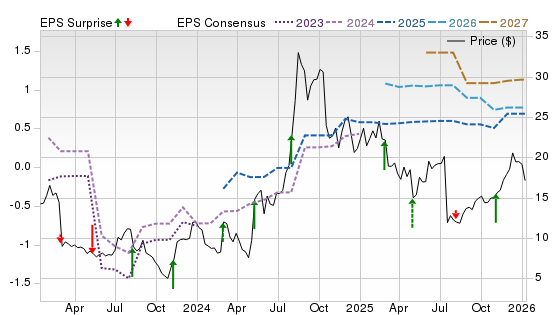
 Hold
Hold 











Zacks' 7 Best Strong Buy Stocks (New Research Report)
Valued at $99, click below to receive our just-released report
▸ Click Here, It's Really Freepredicting the 7 stocks that will soar highest in the coming month.