Key Takeaways
- Eli Lilly became the first pharmaceutical company to top $1 trillion in market value in 2025.
- An aging population and improvements in technology are fueling the growth and promise of pharma stocks.
- The best pharmaceutical stocks to buy now include five companies with promising drug pipelines.
Eli Lilly (LLY), the Indianapolis-based drugmaker, recently made news by becoming the first pharmaceutical company to top $1 trillion in market value, thanks in part to its breakout weight-loss drugs, Mounjaro and Zepbound. Are other pharma stocks worth a look?
Are Pharmaceutical Stocks a Good Investment?
Pharmaceutical firms have long been viewed as a blend of defensive income plays and growth opportunities. As demand for medicines, vaccines, and chronic-disease treatments remains steady regardless of economic cycles, pharma companies often deliver stable earnings. That stability — combined with generous dividends many pharma companies pay — makes them especially attractive when the broader market is choppy or inflation is high.
Additionally, the global pharmaceutical industry continues to grow: Analysts expect the sector to expand over the coming years, aided by rising demand for treatments for chronic illnesses, oncology, vaccines and demographic factors such as aging populations.
However, pharmaceutical investing isn’t risk-free. Outcomes often depend on R&D success, regulatory approvals, patent expirations, and competitive pressures. That’s why smart investors often balance stable dividend-payers with growth-oriented firms or diversify across multiple names.
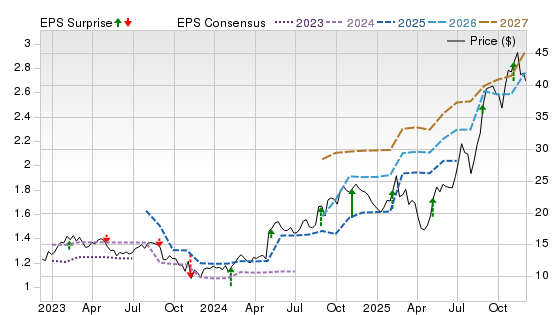
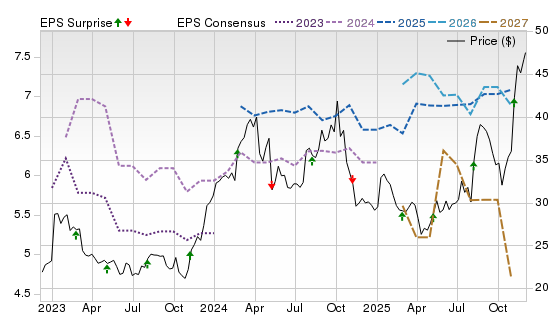
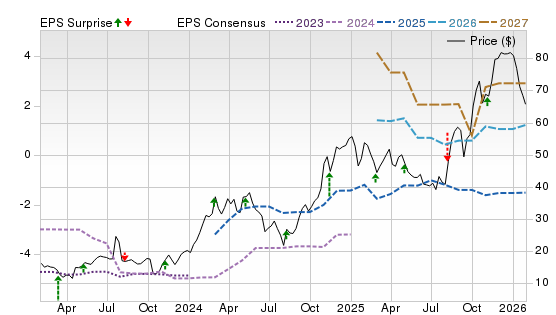
Here, we analyze and rank the best pharmaceutical stocks to buy now ranked on a blend Zacks Rank signals, Style Scores and fundamentals:
Methodology
The Zacks Rank is a proprietary stock-rating model that uses trends in earnings estimate revisions and earnings-per-share (EPS) surprises to classify stocks into five groups: #1 (Strong Buy), #2 (Buy), #3 (Hold), #4 (Sell) and #5 (Strong Sell). The Zacks Rank is calculated through four primary factors related to earnings estimates: analysts' consensus on earnings estimate revisions, the magnitude of revision change, the upside potential and estimate surprise (or the degree in which earnings per share deviated from the previous quarter).
Zacks builds the data from 3,000 analysts at over 150 different brokerage firms. The average yearly gain for Zacks Rank #1 (Strong Buy) stocks is +23.82% per year from Jan. 1, 1988, through Oct. 5, 2026.
Selections for Best Pharmaceutical Stocks are based on the current top ranking stocks based on Zacks Indicator Score and other factors. For this list, only companies that have average daily trading volumes of 100,000 shares or more are considered. All information is current as of market open, Oct. 23, 2026.
Learn More about Pharmaceutical Stocks
What are Pharmaceutical Stocks?
“Pharmaceutical stocks” refer to publicly traded companies engaged primarily in the discovery, development, manufacturing, and sale of drugs — including brand-name medicines, biologics, vaccines and sometimes generics.
Types of Pharmaceutical Stocks
Large-cap, established pharmaceutical companies – These are the global leaders with diverse drug portfolios, steady revenue streams, and long histories of paying dividends. Examples include Pfizer (PFE - Free Report), Merck (MRK - Free Report), Johnson & Johnson (JNJ - Free Report), AbbVie (ABBV - Free Report), Bristol-Myers Squibb (BMY - Free Report) and Novartis (NVS). These companies tend to have well-funded pipelines and wide geographic reach, making them popular with conservative investors.
Specialty-drug and focused biopharma firms – These companies concentrate on specific therapeutic areas such as rare diseases, oncology, immunology, or metabolic conditions. They can deliver strong growth if a breakthrough therapy succeeds. Examples include Vertex Pharmaceuticals (VRTX - Free Report) in genetic diseases, Regeneron (REGN - Free Report) in immunology and ophthalmology, Incyte (INCY - Free Report) in oncology and Horizon Therapeutics (HZNP - Free Report) in autoimmune disorders.
Pipeline-driven or R&D-intensive pharmaceutical developers – These companies may have fewer commercialized drugs but invest heavily in research, clinical trials, and next-generation treatments. Revenue may be uneven, but the upside can be significant if major approvals come through. Notable examples include Moderna (MRNA - Free Report) in mRNA therapeutics, BioNTech (BNTX - Free Report) in immuno-oncology, Alnylam Pharmaceuticals (ALNY - Free Report) in RNA interference drugs and Sarepta Therapeutics (SRPT - Free Report) in genetic therapies.
Pros of Pharmaceutical Stocks
- Consistent demand for medicines: Healthcare needs remain steady regardless of economic cycles, helping companies like Merck, Eli Lilly (LLY - Free Report), or AstraZeneca (AZN - Free Report) maintain dependable revenue.
- Attractive dividends: Many large pharmaceutical companies, such as Pfizer, AbbVie, and Johnson & Johnson, are known for long-standing dividend programs and high payout reliability.
- Potential for major upside from drug launches: A successful approval or breakthrough therapy—such as Eli Lilly’s diabetes/obesity drugs or Regeneron’s eye-disease treatments—can significantly boost a company’s valuation.
- Diversification within healthcare: Pharma stocks often behave differently from technology, consumer, or financial sectors, providing balance to an investment portfolio.
Cons of Pharmaceutical Stocks
- Regulatory hurdles: Failure to secure FDA approval, clinical-trial setbacks, or safety concerns can sharply impact valuations when trials don’t meet expectations.
- Patent cliffs and generic competition: Once exclusivity ends, branded drugs can face rapid erosion from generics or biosimilars. For instance, AbbVie’s Humira — once the world’s top-selling drug — saw sales drop after biosimilar competition entered the market.
- Competitive pressures: New drugs from rivals can displace existing blockbusters. For example, Novo Nordisk (NVO - Free Report) and Eli Lilly (LLY) dominate the obesity/diabetes segment, squeezing competitors.
- High research costs and uncertainties: Pharma R&D is expensive and unpredictable. Firms like Moderna, Alnylam, or Sarepta often experience stock volatility tied directly to clinical-trial outcomes or scientific feasibility.
Best Pharmaceutical Stocks vs. Biotechnology Stocks: Which Is Better?
Pharmaceutical companies (large-cap pharma)
These firms—such as Merck, Pfizer, AbbVie, and Novartis—tend to be more stable due to established product lines and recurring revenue. They typically appeal to income-focused investors because they often pay strong and consistent dividends.
Biotechnology companies
Biotech firms like Regeneron, Vertex, Moderna, and BioNTech often target cutting-edge scientific approaches with high growth potential. Their revenues can surge when a breakthrough therapy succeeds, but they face much greater volatility and dependency on research outcomes.
>>Learn more: Best Biotech Stocks to Buy Today
Which is better?
- If you prefer steady dividends and lower volatility, large U.S. and international pharma names are generally a better fit.
- If you’re seeking high potential returns and can handle larger price swings, biotech and R&D-intensive drug developers may offer superior upside.
- Many investors blend both categories to balance income with innovation-driven growth.
Risks and Safety
How do FDA approvals impact stock prices?
Securing FDA approval for a new drug can be a major catalyst: positive news can dramatically boost stock price. Conversely, delays, negative trial results, or regulatory setbacks can result in sharp declines. That’s why even solid firms factor in “uncertainty rating” — because much hinges on regulatory success.
How do patent expirations affect pharmaceutical stocks?
When a drug’s patent expires, generics may enter, often severely reducing sales for the original drug — which can lead to revenue decline unless the company successfully replaces the lost revenue with new drugs or therapies.
What are the biggest risks when investing in drug companies?
- R&D failure and sunk costs.
- Regulatory hurdles and unpredictable approval processes.
- Competition (generics, biosimilars, newer therapies).
- Litigation, pricing pressure, changes in healthcare policy and regulation.
- Concentration risk if a company relies heavily on a few blockbuster drugs.
Pharmaceutical Stocks Trends
Which pharmaceutical stock benefits the most from aging population trends?
Large-cap companies with broad portfolios — especially those offering treatments for chronic diseases (e.g., cardiovascular, cancer, auto-immune, diabetes) — tend to benefit from demographic trends. Firms like Merck, AbbVie, and others with diversified pipelines may be especially well positioned.
How have pharmaceutical stocks performed in the last 5 years?
Many large-cap pharma stocks have offered attractive dividend yields and moderate growth, often outperforming more cyclical sectors, especially in volatile markets. Their relative resilience and dividends have appealed to investors seeking stability.
Are pharma stocks recession-proof?
Not entirely — but compared with consumer discretionary or cyclical sectors, pharma tends to be more resilient. Demand for essential medicines tends to remain stable even during economic downturns, giving pharma a defensive characteristic.
How to Invest in Pharmaceutical Stocks
Should beginners invest in pharma ETFs instead of single stocks?
Yes — for many retail investors, pharma-focused ETFs (or broader healthcare ETFs) offer diversified exposure, reducing the risk of overconcentration in a single company. This mitigates risks like regulatory failure or drug-specific setbacks.
Is it better to invest in global or U.S. pharmaceutical companies?
Both have advantages. U.S. firms often lead in innovation, R&D, and large-scale global distribution. International companies may offer exposure to different markets, drug pipelines, and potentially attractive valuations. A mix of both can provide balanced diversification.
Read more: Check out today’s list of Best Stocks to Buy Now.




 View the Zacks #1 Rank List

 Strong Buy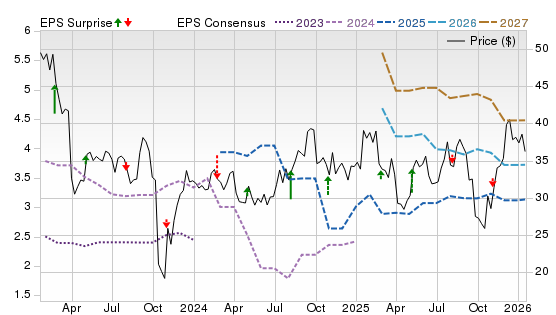











Zacks' 7 Best Strong Buy Stocks (New Research Report)
Valued at $99, click below to receive our just-released report
▸ Click Here, It's Really Freepredicting the 7 stocks that will soar highest in the coming month.