Key Takeaways
- Growth stocks have powered a significant share of market gains in recent years.
- Growth stocks can carry high valuations and suffer more short-term volatility due to market expectations.
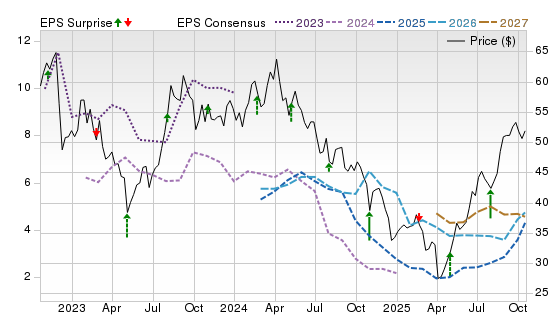
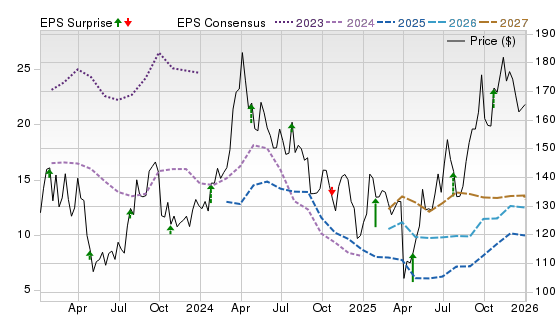
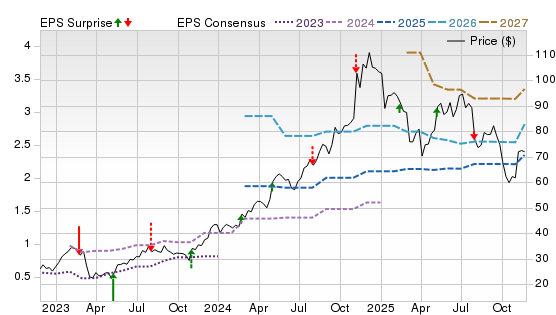
- Top growth stocks right now include HF Sinclair, Par Pacific and Valero.
Growth stocks have powered a significant share of market gains in recent years, driven by innovation, digital transformation, and expanding global demand. These companies typically reinvest profits to scale operations, launch new products, and capture market share, emphasizing long-term expansion over immediate dividend payouts. From industry-defining technology firms to breakthrough healthcare and consumer brands, growth companies play a pivotal role in many investors’ portfolios.
That potential, however, comes with trade-offs. Growth stocks often carry higher valuations and can be more sensitive to interest rates, earnings expectations, and shifts in market sentiment. Price swings can be sharp, especially when companies fall short of lofty forecasts.
Should you buy a growth stock?
For investors focused on long-term capital appreciation and comfortable with short-term price swings, growth stocks can be powerful long-term wealth builders. Success depends on understanding how these businesses create value, recognizing when growth investing tends to outperform, and knowing how to evaluate opportunities while managing risk within a diversified portfolio.
Methodology
The Zacks Rank is a proprietary stock-rating model that uses trends in earnings estimate revisions and earnings-per-share (EPS) surprises to classify stocks into five groups: #1 (Strong Buy), #2 (Buy), #3 (Hold), #4 (Sell) and #5 (Strong Sell). The Zacks Rank is calculated through four primary factors related to earnings estimates: analysts' consensus on earnings estimate revisions, the magnitude of revision change, the upside potential and estimate surprise (or the degree in which earnings per share deviated from the previous quarter).
Zacks builds the data from 3,000 analysts at over 150 different brokerage firms. The average yearly gain for Zacks Rank #1 (Strong Buy) stocks is +23.80% per year from Jan. 1, 1988, through Aug. 3, 2026.
Selections for Best Growth Stocks are based on the current top ranking stocks based on Zacks Indicator Score, Style Scores and fundamentals. For this list, only companies that have average daily trading volumes of 100,000 shares or more were considered, as well as companies from the top 50% of all industries. All information is current as of market open Sept. 1, 2026.
General Questions About Growth Stocks
What is a growth stock?
A growth stock represents a company expected to grow sales, earnings, or cash flow faster than the broader market. These firms often operate in expanding industries and reinvest heavily in research, marketing, and infrastructure to sustain momentum.
What are the benefits of buying growth stocks?
Growth stocks offer the potential for significant price appreciation, exposure to innovative business models, and long-term compounding. When successful, they can outperform more mature companies by a wide margin.
What are the risks of buying growth stocks?
Higher valuations, sensitivity to interest rates, and reliance on future earnings projections increase downside risk. If growth slows or expectations fall, share prices can decline sharply.
Growth vs. value stocks: What’s better right now?
Growth stocks tend to excel during periods of economic expansion and technological change, while value stocks often perform better when investors prioritize stability and income. Market leadership can rotate, making diversification across styles important.
Are growth stocks a good investment during economic uncertainty?
During uncertain periods, growth stocks may experience heightened volatility. Companies with strong balance sheets, recurring revenue, and durable demand tend to hold up better than speculative names.
How do growth stocks differ from dividend stocks?
Dividend stocks focus on returning cash to shareholders, while growth stocks reinvest profits to fuel expansion. Investors often choose growth for appreciation and dividends for income.
Are growth stocks suitable for beginners?
They can be, especially through diversified funds or established large-cap names. Beginners should avoid concentrating too heavily in speculative or unprofitable companies.
How do growth stocks perform during recessions?
Performance varies. Some growth companies with essential products continue to expand, while others tied to discretionary spending may struggle.
See recent Zacks stories about top Growth Stocks.
What to Consider When Looking for Growth Stocks
How do I identify a good growth stock?
Look for consistent revenue growth, expanding addressable markets, competitive advantages, and strong management execution.
What metrics should I look at in growth stocks?
Common metrics include revenue growth rates, earnings growth, free cash flow trends, return on invested capital, and valuation ratios relative to growth expectations.
What ETFs contain the best growth stocks?
Growth-focused ETFs often track large-cap or sector-specific indexes, offering exposure to leading growth companies while reducing single-stock risk.
Should I diversify my growth stock portfolio?
Yes. Diversifying across sectors, company sizes, and geographies can help manage volatility and reduce reliance on any single trend.
Are growth stocks a good investment during economic uncertainty?
Quality growth stocks with pricing power and resilient demand can still perform well, but position sizing and diversification are critical.
What sectors typically produce strong growth stocks?
Certain sectors consistently produce growth leaders due to innovation, scale advantages, or long-term demand trends. Examples include:
- Technology and AI: Companies benefiting from cloud computing, artificial intelligence, and software platforms, such as NVIDIA, Microsoft, Alphabet, and Amazon.
- Consumer Discretionary: Brands and platforms capturing shifts in consumer behavior and digital commerce, including Tesla, Amazon, and Booking Holdings.
- Healthcare and Biotechnology: Firms developing breakthrough drugs, medical devices, or diagnostics, such as Eli Lilly, Novo Nordisk, Vertex Pharmaceuticals, and Intuitive Surgical.
- Communication Services: Digital advertising, streaming, and social platforms with scalable user bases, including Meta Platforms and Netflix.
- Financial Technology: Companies modernizing payments, trading, and financial infrastructure, such as Visa, Mastercard, and Block.
- Clean Energy and Electrification: Businesses tied to renewable power, battery technology, and grid modernization, including NextEra Energy, Enphase Energy, and Tesla.
These sectors frequently generate high-growth opportunities, though leadership within them can change over time.
Do growth stocks work for long-term or short-term strategies?
They are generally better suited for long-term investing, allowing time for innovation and expansion to translate into earnings growth.
What are common mistakes to avoid when investing in growth stocks?
Chasing hype, ignoring valuation, overconcentration, and selling too quickly during volatility are frequent pitfalls.
How to Purchase Growth Stocks
Do I need a broker to buy growth stocks?
Yes. Most investors use online brokerage platforms that offer access to individual stocks, ETFs, and research tools.
How much should I invest in my first growth stock purchase?
Start with an amount that fits your overall financial plan and risk tolerance. Many investors begin with smaller positions and add over time.
Strategies for Buying Growth Stocks
How often should I rebalance a growth-focused portfolio?
Rebalancing annually or semiannually helps maintain target allocations and manage risk.
When should I sell a growth stock?
Consider selling if the company’s fundamentals deteriorate, growth prospects fade, or the position becomes too large relative to your portfolio.
How do I track performance and assess whether a growth stock is still strong?
Monitor earnings reports, revenue trends, competitive positioning, and management guidance.
What tax implications come with selling growth stocks?
Selling at a profit may trigger capital gains taxes, with rates depending on holding period and income level.
Growth Stock Alternatives
Are index funds a safer alternative to picking growth stocks?
Index funds provide broad exposure and lower risk than individual stock selection, making them appealing for many investors.
What are conservative investment options if growth stocks are too risky?
Options include value stocks, dividend-paying equities, bonds, and balanced funds that emphasize capital preservation.
Read more: Check out today’s list of Best Stocks to Buy Now.




 View the Zacks #1 Rank List


 Strong Buy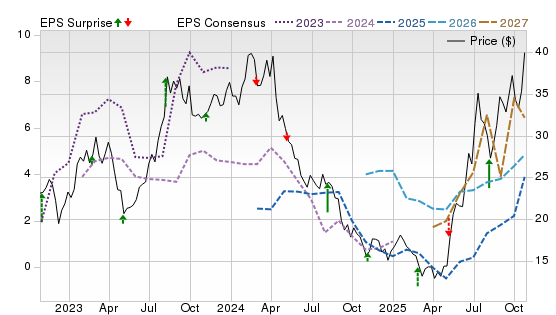












Zacks' 7 Best Strong Buy Stocks (New Research Report)
Valued at $99, click below to receive our just-released report
▸ Click Here, It's Really Freepredicting the 7 stocks that will soar highest in the coming month.